
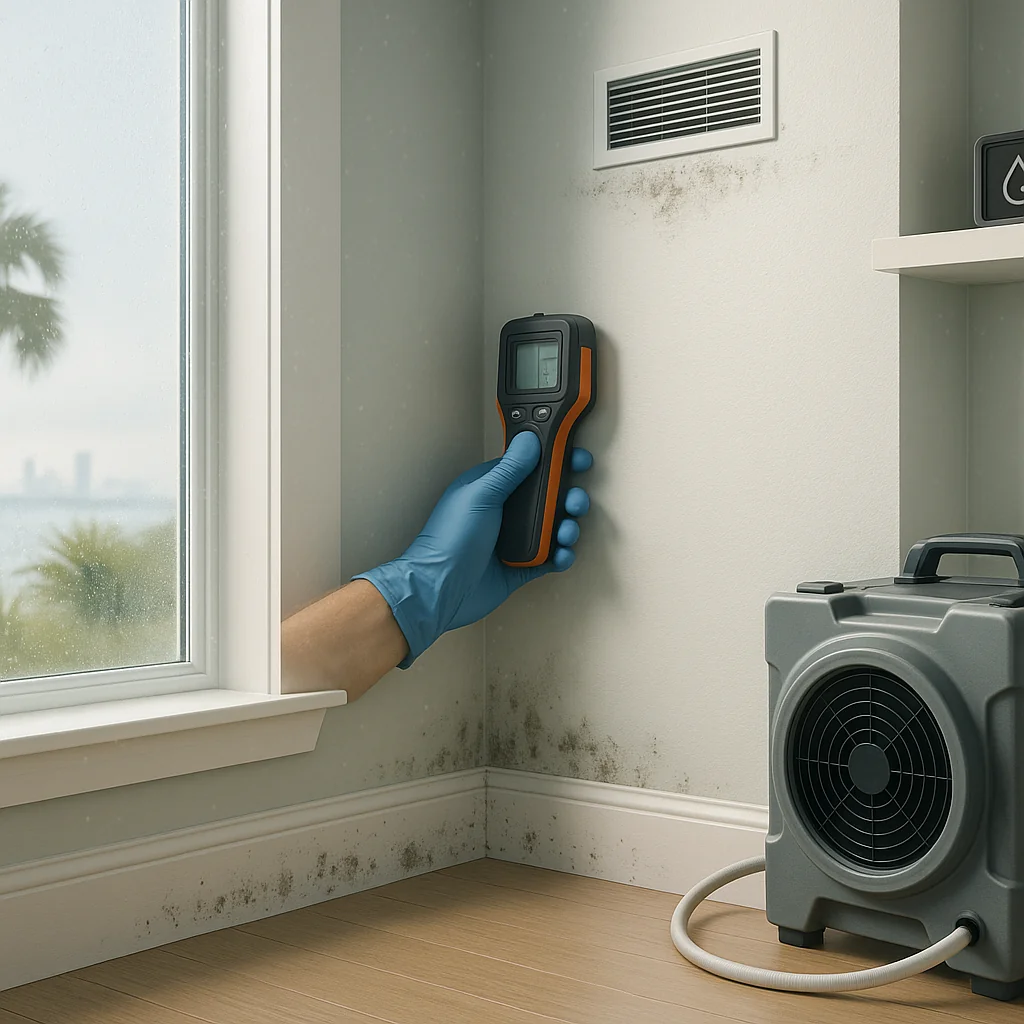
Jacksonville’s Humid Climate Creates Perfect Conditions for Mold Growth
Jacksonville’s subtropical climate with high humidity levels averaging 80-90% creates ideal conditions for mold to thrive year-round. Northeast Florida’s warm temperatures, frequent rainfall and proximity to the Atlantic Ocean and St. Johns River combine to make Jacksonville mold risks significantly higher than in drier regions. Homes here face constant moisture challenges that allow microscopic mold spores to colonize rapidly in attics, crawl spaces, bathrooms and walls. Understanding these unique environmental factors helps homeowners take proactive steps to protect their properties and health from the dangers of unchecked mold growth.
Understanding Northeast Florida’s Unique Climate Patterns
The Jacksonville area experiences a humid subtropical climate classified as Cfa under the Köppen system. Summers are long hot and humid while winters remain mild but often bring substantial rainfall. Average annual precipitation exceeds 50 inches with peak rainy seasons occurring in summer and early fall. These patterns create persistent moisture both indoors and outdoors.
Relative humidity rarely drops below 60% even during winter months. Morning dew points frequently reach the 70s during summer creating condensation on surfaces. The St. Johns River and Intracoastal Waterway add additional atmospheric moisture. Salt air from the Atlantic Ocean just 12 miles east of downtown Jacksonville further influences local microclimates especially in coastal neighborhoods.
Hurricane season from June through November brings additional risks. Even tropical storms that don’t make direct landfall can dump several inches of rain and cause flooding. These weather events often lead to hidden water intrusion that creates perfect breeding grounds for toxic black mold and other species.
How High Humidity Drives Indoor Mold Proliferation
Mold requires three elements to grow: moisture, organic material and proper temperature. Jacksonville’s climate consistently provides all three. When indoor humidity exceeds 60% mold spores that naturally exist in the air begin to colonize on surfaces within 24-48 hours.
The city’s average dew point creates constant condensation inside walls and on ductwork. Poorly ventilated areas like crawl spaces and attics become particularly vulnerable. Without proper moisture control even new construction homes in Downtown Jacksonville can develop mold problems within the first few years.
HVAC systems struggle against the constant humidity. When air conditioning units cannot maintain indoor humidity below 55% mold growth accelerates. This explains why many Jacksonville residents notice musty odors during summer months even when using their AC regularly.
Common Mold Types Found in Jacksonville Homes
Several mold species thrive in Northeast Florida’s climate. Stachybotrys chartarum commonly known as black mold prefers continuously wet materials like drywall and insulation. Aspergillus and Penicillium species appear frequently in damp areas and can trigger respiratory issues.
Cladosporium grows well on wood surfaces and is extremely common in Jacksonville attics where roof leaks introduce moisture to wooden trusses. Alternaria often appears around windows and air conditioning units where condensation collects.
Each species presents different health risks. Some produce mycotoxins that can cause severe symptoms while others primarily trigger allergic reactions. Professional identification is crucial because different molds require specific removal approaches.
High-Risk Areas in Jacksonville Properties
Certain areas of Northeast Florida homes face elevated Jacksonville mold risks due to climate factors. Attics suffer from poor ventilation and roof leaks that allow moisture to accumulate on wooden structures. Crawl spaces built at or below grade often experience chronic dampness from the area’s high water table.
Bathrooms and kitchens see frequent moisture from daily activities. Without proper exhaust fans humidity builds up and settles into wall cavities. Older homes in historic districts often have inadequate vapor barriers that allow outdoor humidity to penetrate living spaces.
Many properties near the river or ocean face additional challenges from salt-laden air that accelerates deterioration of building materials making them more susceptible to mold colonization. Understanding these vulnerabilities helps prioritize inspection and maintenance efforts.
The Role of Jacksonville’s Hurricane Season in Mold Issues
Hurricane season significantly amplifies mold problems across the region. Even minor storms can drive rain through roof vents windows and doors. Flooding events introduce massive amounts of water that can remain trapped in building materials long after visible water is removed.
Many homeowners underestimate the importance of professional drying after water intrusion events. Simply running fans for a few days is rarely sufficient in Jacksonville’s humid environment. Without thorough moisture removal and Negative Air Pressure Setup mold often begins growing within walls before residents notice any problems.
Post-storm inspections should include thorough assessment of all potentially affected areas. Early intervention prevents small issues from becoming major remediation projects that require extensive reconstruction.
Health Implications of Mold Exposure in Humid Climates
Living in a high-humidity environment with mold contamination can cause various health issues. Respiratory problems, chronic sinus infections, skin irritation, headaches and fatigue are commonly reported. Children, elderly individuals and those with compromised immune systems face greater risks.
Prolonged exposure to certain molds may trigger more serious conditions including asthma exacerbation and hypersensitivity pneumonitis. The constant presence of mold spores in Jacksonville’s air means that even small indoor colonies can significantly impact air quality and resident health.
Many people suffer for years with unexplained symptoms before discovering mold as the culprit. Professional Whole-House Mold Assessment can identify hidden growth that contributes to these health concerns.
Why DIY Mold Removal Often Fails in Northeast Florida
Many homeowners attempt to address mold problems themselves using store-bought products. While these may kill surface mold they rarely address the underlying moisture issues that allow recurrence. In Jacksonville’s climate simply cleaning visible mold without fixing the source is almost guaranteed to fail.
DIY methods also risk spreading spores throughout the home. Without proper containment and Infrared Camera Mold Detection techniques hidden colonies continue growing undisturbed. Professional remediation follows strict protocols developed specifically for high-humidity environments like Northeast Florida.
Professional Mold Remediation Techniques for Local Conditions
Effective mold removal in Jacksonville requires specialized approaches that account for the local climate. Professionals begin with comprehensive moisture mapping to identify all affected areas. Advanced tools help locate hidden moisture within walls and under flooring.
Containment systems prevent cross-contamination during removal. High-powered dehumidification equipment reduces humidity levels quickly while air scrubbers capture airborne spores. Antimicrobial treatments formulated for humid environments provide longer-lasting protection.
Post-remediation verification testing ensures the problem has been fully resolved. This scientific approach differs significantly from DIY attempts and provides the best chance for permanent results in Northeast Florida’s challenging conditions.
Preventive Strategies for Jacksonville Homeowners
Preventing mold requires ongoing attention to moisture control. Maintain indoor humidity between 30-50% using dehumidifiers and air conditioning. Ensure proper ventilation in bathrooms kitchens and laundry areas. Address any leaks promptly regardless of how minor they appear.
Regular Attic Mold Inspection helps catch problems early before they spread to living areas. Improve drainage around foundations and consider installing vapor barriers in crawl spaces. Use mold-resistant materials during renovations and repairs.
Monitor HVAC systems closely. Change filters regularly and have ductwork inspected periodically. Consider installing whole-house dehumidification systems designed specifically for Florida’s climate. These preventive measures significantly reduce the likelihood of experiencing major mold problems.
Local Environmental Factors That Increase Mold Vulnerability
Beyond general climate patterns several localized factors increase mold risks in different Jacksonville neighborhoods. Areas with dense tree coverage often experience reduced airflow around homes leading to higher humidity retention. Properties built on former wetlands may have elevated groundwater levels that affect foundations and crawl spaces.
Older infrastructure in certain districts increases the chance of pipe breaks that introduce moisture. Many homes constructed before modern building codes lack proper moisture barriers. Understanding these neighborhood-specific challenges helps residents implement more targeted prevention strategies.
Coastal properties face unique challenges from salt air that can degrade building materials faster making them more susceptible to water intrusion and subsequent mold growth. Riverfront homes must contend with periodic flooding risks during heavy rains.
Recognizing Early Warning Signs of Mold in Your Jacksonville Home
Early detection is crucial in preventing extensive damage. Musty odors persistent allergy symptoms and visible discoloration on walls or ceilings are common indicators. Peeling paint bubbling wallpaper and warped wood can also signal hidden moisture and mold growth.
Increased asthma symptoms or unexplained respiratory issues among household members may indicate poor indoor air quality related to mold. Water stains even if they’ve dried often point to past leaks that may have caused concealed mold colonies.
Regular visual inspections particularly after storms can help identify problems before they become severe. Pay special attention to areas that remain damp or receive poor airflow. When in doubt professional assessment provides definitive answers.
The Importance of Addressing Mold Promptly in Humid Climates
In Jacksonville’s environment mold problems can escalate rapidly. What begins as a small patch can spread throughout an entire wall cavity within weeks. Delaying professional intervention often leads to more extensive damage higher remediation costs and greater health risks.
Structural materials break down faster when exposed to persistent moisture and fungal activity. Drywall insulation and wooden framing can all suffer irreversible damage. Early action protects both the integrity of your home and the wellbeing of its occupants.
Professional mold removal specialists understand the specific challenges posed by Northeast Florida’s climate. Their expertise ensures thorough remediation and effective prevention strategies tailored to local conditions.
Long-Term Solutions for Managing Jacksonville’s Mold Challenges
Successfully managing mold risks requires a comprehensive approach that addresses both immediate problems and long-term prevention. This includes proper home maintenance regular inspections appropriate ventilation systems and prompt attention to any moisture issues.
Many homeowners benefit from installing smart humidity monitors that alert them when levels rise above safe thresholds. Energy-efficient windows and improved insulation can reduce condensation issues. Landscaping choices should promote proper drainage away from the foundation.
Working with local professionals who understand regional climate patterns ensures solutions are appropriately designed for Northeast Florida conditions rather than generic approaches that may prove inadequate in our humid environment.
Leave a Reply