
Why Attic Mold Develops in Jacksonville Homes and What Every Homeowner Should Know
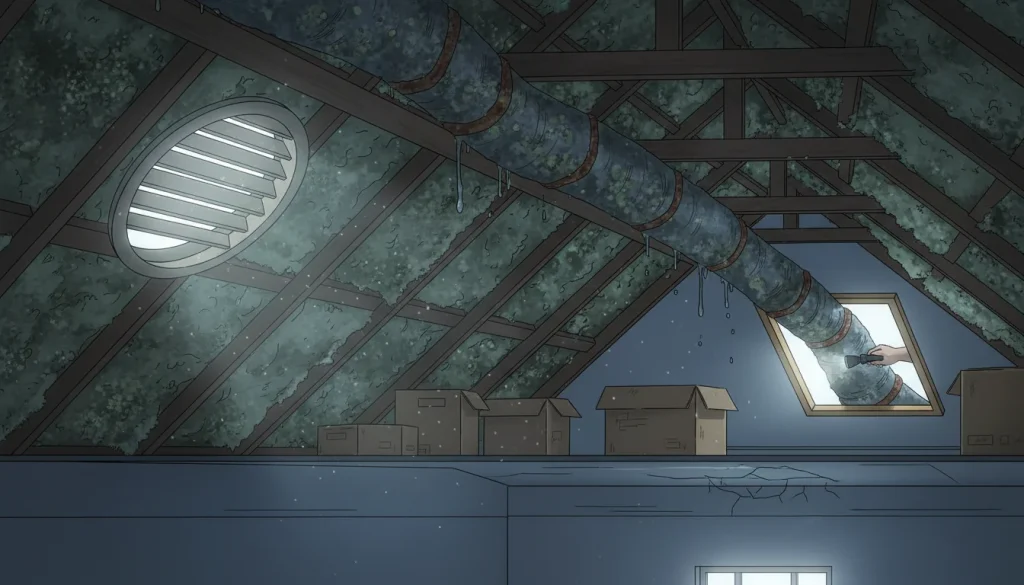
In Jacksonville’s humid subtropical climate attic mold is a common problem that affects thousands of local homes each year. High moisture levels poor ventilation and temperature fluctuations create the perfect conditions for mold colonies to form and spread quickly in attic spaces. Homeowners who understand these local risk factors can take proactive steps to prevent costly damage and protect their family’s health through professional mold removal services.
Understanding the Unique Jacksonville Climate and Attic Mold Risk
Jacksonville experiences some of the highest humidity levels in the United States with average relative humidity often exceeding 80 percent during summer months. This moist air combined with frequent afternoon thunderstorms creates ideal conditions for attic mold in Jacksonville. The city’s coastal location adds salt air that can accelerate material degradation while heavy rains often lead to undetected roof leaks that feed hidden mold growth.
During warmer months temperatures in Jacksonville attics can easily reach 120-140 degrees Fahrenheit creating extreme temperature swings when evening cooling occurs. These fluctuations cause condensation on roof sheathing and wooden trusses providing the moisture mold needs to thrive. Even during drier winter months the temperature differences between the attic and living spaces below can still generate enough condensation to support mold colonies if ventilation is inadequate.
Local neighborhoods like Murray Hill with their historic homes built before modern building codes often face heightened risks due to aging roofing materials and outdated ventilation systems. These older structures frequently lack proper vapor barriers and soffit vents that newer construction incorporates as standard features.
Primary Causes of Attic Mold in Jacksonville Properties
Several interconnected factors contribute to attic mold development in our area. Understanding these root causes helps homeowners identify potential problems before they become major issues requiring extensive remediation.
Inadequate Ventilation Systems
Poor attic ventilation represents the most significant contributor to mold growth across Jacksonville. Many homes especially those built before the 1980s have insufficient ridge vents soffit vents or gable vents. Without proper airflow hot moist air becomes trapped leading to condensation on cooler surfaces. This persistent moisture creates perfect growing conditions for various mold species.
Modern energy-efficient homes sometimes suffer from the opposite problem when excessive insulation and air sealing prevent natural airflow. Jacksonville building practices have evolved but many retrofitted homes still struggle with ventilation imbalances that promote mold growth in attics.
Roof Leaks and Water Intrusion
Even small undetected roof leaks can introduce significant moisture into attic spaces. Jacksonville’s intense storm systems frequently damage shingles and flashing allowing water to penetrate. Over time this moisture accumulates in insulation wooden trusses and drywall creating extensive mold colonies that may remain hidden for months or years.
Many homeowners only discover these issues when musty odors permeate living spaces or when ceiling stains appear. By this point professional intervention becomes necessary to address both the water source and resulting mold contamination.
HVAC System Issues
Air conditioning systems that leak condensation or have dirty ducts can introduce moisture directly into attic areas. When HVAC duct mold cleaning is neglected the system can spread spores throughout the entire home including the attic space. Jacksonville’s year-round cooling demands make properly maintained HVAC systems essential for moisture control.
Improper Insulation and Vapor Barriers
Many Jacksonville homes have insulation that has become compressed or contaminated with moisture over time. When insulation absorbs water it loses its effectiveness and becomes a food source for mold. Missing or improperly installed vapor barriers allow humid air from living spaces to migrate upward into the attic where it condenses on cooler surfaces.
Health Risks Associated with Attic Mold Exposure
Attic mold poses significant health concerns beyond the structural damage it causes. Jacksonville residents with respiratory conditions asthma or allergies face heightened risks when mold spores become airborne. Common symptoms include persistent coughing wheezing sinus congestion headaches and fatigue.
Certain mold types like Stachybotrys chartarum commonly known as black mold produce mycotoxins that can trigger more severe reactions. Children elderly individuals and those with compromised immune systems are particularly vulnerable to these effects. Long-term exposure has been linked to more serious conditions including neurological symptoms and chronic inflammatory response syndrome.
Because attic spaces are typically unoccupied homeowners may remain unaware of growing colonies until symptoms appear or visible signs emerge in living areas. This delayed discovery often allows mold to spread extensively before remediation begins.
Signs Your Jacksonville Home May Have Attic Mold
Early detection is crucial for minimizing damage and health risks. Jacksonville homeowners should watch for these common indicators of attic mold problems:
- Musty or earthy odors noticeable in upper floors or during humid weather
- Visible discoloration on ceilings or around attic access points
- Unexplained allergy symptoms that worsen when the HVAC system runs
- Warped or sagging drywall in upper rooms
- Increased utility bills potentially indicating poor insulation from mold damage
- Condensation or frost on windows during cooler months
- Visible mold growth around plumbing vents or roof penetrations
When these signs appear scheduling a professional attic mold inspection provides definitive answers and guides appropriate remediation strategies.
The Professional Mold Removal Process for Attics
Effective attic mold remediation requires specialized equipment and techniques that differ from standard interior mold removal. Professional teams follow strict protocols to contain spores prevent cross-contamination and address underlying moisture issues.
The process typically begins with a thorough assessment using moisture meters thermal imaging cameras and air sampling to determine the full extent of contamination. This comprehensive evaluation helps develop a targeted remediation plan specific to each property’s conditions.
Containment and Negative Air Pressure
Before disturbing any moldy materials technicians establish proper containment using plastic sheeting and seals. Negative air pressure setup using HEPA-filtered air scrubbers prevents spores from migrating into living spaces during the cleaning process. This critical step protects occupants and maintains indoor air quality throughout remediation.
Material Removal and Cleaning
Heavily contaminated insulation often requires complete removal and disposal according to industry standards. Technicians carefully remove affected materials while using specialized vacuums and antimicrobial solutions to clean wooden trusses and other salvageable surfaces. In severe cases roof decking or structural elements may need replacement.
Addressing Root Causes
Simply removing visible mold fails to solve the problem long-term. Professional services focus on correcting ventilation deficiencies repairing roof leaks improving drainage and installing proper vapor barriers. These corrective measures prevent recurrence and protect the home’s structural integrity.
Prevention Strategies for Jacksonville Homeowners
Preventing attic mold requires ongoing attention to moisture control and regular maintenance. Jacksonville homeowners can implement several effective strategies to reduce their risk significantly.
Improve Attic Ventilation
Ensure your attic has adequate intake and exhaust ventilation. A balanced system typically includes soffit vents along the eaves and ridge vents along the roof peak. Professional assessment can determine if your current setup meets local building requirements and effectively removes excess moisture.
Schedule Regular Roof Inspections
Annual roof inspections help identify potential leak sources before water enters the attic. Pay special attention to flashing around chimneys plumbing vents and skylights where water intrusion commonly occurs in our stormy climate.
Maintain Proper Insulation Levels
Use mold-resistant insulation products specifically designed for humid environments. Ensure insulation does not block ventilation paths and maintain appropriate R-values for our climate zone without over-insulating in ways that trap moisture.
Control Indoor Humidity
Use bathroom and kitchen exhaust fans that vent directly outside rather than into the attic. Maintain indoor humidity below 60 percent using dehumidifiers when necessary. Properly sized and maintained air conditioning systems play a crucial role in whole-house moisture management.
Consider Professional Assessments
Annual whole-house mold assessment can catch developing problems early. These comprehensive inspections evaluate multiple risk factors throughout the property and provide actionable recommendations tailored to Jacksonville’s specific environmental challenges.
Understanding the Costs of Attic Mold Remediation
The cost of addressing attic mold in Jacksonville varies significantly based on several factors including the extent of contamination square footage of affected areas and necessary repairs to correct moisture sources. Small isolated problems may cost several hundred dollars while extensive infestations affecting multiple structural components can reach several thousand dollars.
While these expenses may seem substantial they typically prove far less than the costs associated with ignoring the problem. Untreated mold can compromise structural integrity damage personal belongings and create significant health liabilities. Early intervention usually results in both lower remediation costs and reduced disruption to the household.
Many insurance policies cover mold damage when it results from a covered peril like storm damage though coverage for preventable moisture issues varies widely. Jacksonville homeowners should review their policies carefully and consider additional riders for mold remediation when available.
When to Call Professional Mold Removal Specialists
While small surface mold issues on bathroom tiles or window sills can sometimes be addressed with household cleaners attic mold requires professional expertise. The hidden nature of these spaces combined with the potential for extensive contamination makes DIY approaches both ineffective and potentially dangerous.
Professional mold removal companies possess specialized equipment industry certifications and extensive experience handling the unique challenges of Jacksonville’s climate. They follow established protocols from organizations like the Institute of Inspection Cleaning and Restoration Certification ensuring safe and effective remediation.
Key indicators that professional help is needed include visible mold growth larger than ten square feet musty odors without obvious sources water damage from previous storms or leaks and persistent health symptoms potentially related to indoor air quality.
| Warning Sign | Action Recommended |
|---|---|
| Musty attic odor | Schedule professional inspection within 48 hours |
| Visible mold patches | Do not disturb contact specialists immediately |
| Recent roof leak | Address water source and test for mold growth |
| Family health symptoms | Consider air quality testing and remediation |
Local Jacksonville Resources and Considerations
Jacksonville’s unique geography creates specific challenges for homeowners dealing with attic mold. Properties closer to the St. Johns River or Intracoastal Waterway often experience higher ambient humidity levels increasing their risk. Older neighborhoods with mature tree coverage may have additional concerns with falling branches damaging roofs and creating entry points for water.
Local building codes have evolved to address these environmental factors requiring better ventilation systems and moisture barriers in newer construction. However many existing homes predate these requirements and need retrofitting to prevent ongoing mold issues.
When selecting a mold removal provider look for companies with specific experience in Jacksonville’s climate understanding of local building practices and proper certifications. The best providers offer comprehensive services addressing not just the mold but the underlying conditions that allowed it to develop.
Long-Term Property Protection Strategies
Protecting your Jacksonville home from recurring attic mold requires a holistic approach to moisture management. This includes regular maintenance of all systems that affect humidity levels from the roof down to the foundation. Smart homeowners develop relationships with qualified professionals who understand local conditions and can provide ongoing guidance as environmental conditions change.
Modern technology offers new tools for monitoring attic conditions including humidity sensors and smart ventilation systems that automatically adjust based on real-time conditions. These innovations can significantly reduce the likelihood of mold development when properly installed and maintained.
By understanding the specific factors that contribute to attic mold in Jacksonville homeowners can make informed decisions about prevention maintenance and when professional intervention becomes necessary. Early action protects both property values and the health of everyone living in the home.
The combination of Jacksonville’s challenging climate and the hidden nature of attic spaces makes professional assessment and remediation the safest most effective approach when mold is suspected. With proper understanding and prompt action homeowners can maintain healthy mold-free living environments despite our region’s moisture-rich atmosphere.
Leave a Reply