
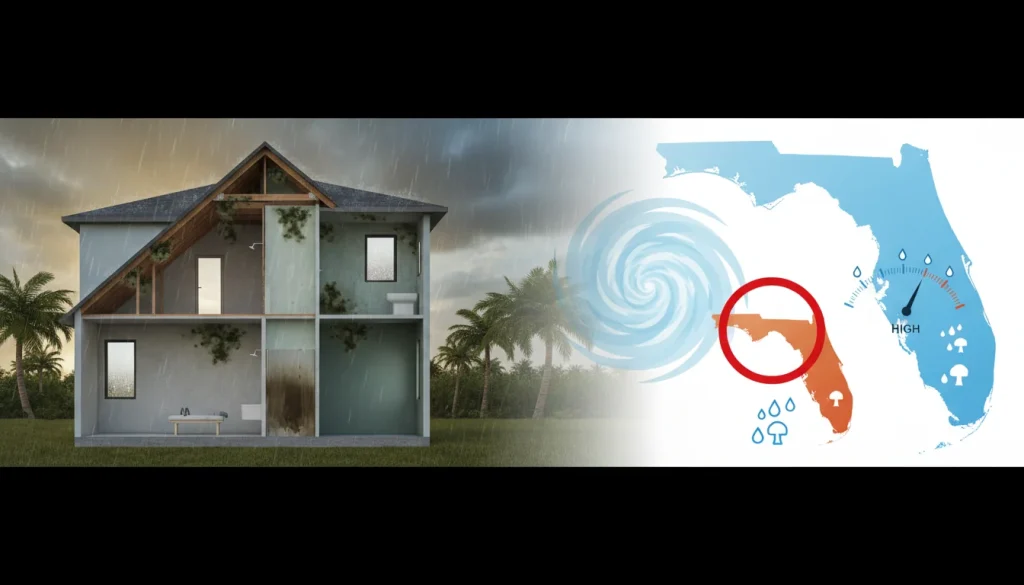
Why Mold Thrives in Jacksonville’s Humid Climate
Jacksonville’s warm humid subtropical climate creates the perfect breeding ground for mold making mold in Jacksonville homes a widespread issue. With average humidity often exceeding 80 percent combined with frequent rainfall and mild winters mold growth becomes almost inevitable without proper prevention and intervention. Jacksonville Mold Removal has helped countless local homeowners address these persistent problems understanding that our unique weather patterns are the primary driver behind widespread mold issues across the city.
Jacksonville’s Unique Climate Characteristics
Located in Northeast Florida Jacksonville experiences a humid subtropical climate classified as Cfa under the Koppen system. This means long hot summers short mild winters and high precipitation throughout the year. The city averages around 50 inches of rainfall annually with peak rainy seasons occurring in the summer months. These conditions combined with temperatures that rarely drop below freezing create an environment where mold spores can germinate and spread rapidly.
The St. Johns River and proximity to the Atlantic Ocean contribute significantly to elevated moisture levels. Coastal breezes carry additional humidity inland while the river system adds to the overall dampness in low-lying areas. Neighborhoods like Murray Hill and Downtown often face heightened risks due to their locations near water sources and older housing stock that may lack modern moisture barriers.
How Humidity Fuels Mold Growth
Mold requires three basic elements to proliferate: moisture oxygen and organic material. In Jacksonville the first element is rarely in short supply. When relative humidity exceeds 60 percent mold spores that are naturally present in the air begin to settle and grow on surfaces. Our typical summer humidity levels often reach 90 percent or higher especially during evening hours when temperatures drop slightly but moisture remains trapped in the air.
This constant humidity affects both interior and exterior environments. Even when air conditioning systems are running they may struggle to keep indoor humidity below the critical 50 percent threshold recommended by the EPA. Poorly ventilated spaces become particularly vulnerable allowing condensation to form on walls windows and within HVAC systems creating ideal conditions for colonies to establish themselves.
Rainfall Patterns and Water Intrusion Issues
Jacksonville’s precipitation isn’t limited to summer thunderstorms. The city experiences rain throughout the year with tropical systems occasionally bringing deluges that overwhelm drainage systems and lead to flooding. These weather events often result in water intrusion into homes through roofs foundations and around windows. Once moisture enters a structure it can remain trapped in building materials for weeks or months if not properly addressed.
Older homes common in historic districts frequently lack adequate waterproofing or have aging roofs that allow water to seep into attics and wall cavities. This hidden moisture creates perfect conditions for mold to develop undetected until it becomes a significant problem. Professional attic mold inspection services have become increasingly important as homeowners discover the extent of damage caused by prolonged exposure to our rainy climate.
Temperature Factors That Support Mold Proliferation
Unlike colder regions where freezing temperatures naturally inhibit mold growth Jacksonville’s mild winters rarely provide this benefit. With average winter lows staying above 40 degrees Fahrenheit mold can remain active year-round. Summer temperatures regularly climb into the 90s creating additional heat that when combined with humidity accelerates organic material breakdown and provides energy for faster mold reproduction.
The consistent warmth means that mold doesn’t experience seasonal die-off periods common in other parts of the country. Instead spores remain viable and colonies can expand whenever moisture becomes available. This perpetual growing season explains why mold remediation is such a constant need for Jacksonville property owners compared to those in drier or colder climates.
Common Areas Affected by Mold in Jacksonville Homes
Certain areas of local homes are particularly susceptible to mold due to our climate. Bathrooms and kitchens with their frequent water use and steam production top the list. Attics and crawl spaces often suffer from poor ventilation trapping humid air against wooden structures. Basements while less common than in northern states still exist in some neighborhoods and can become damp due to high water tables.
HVAC systems throughout Jacksonville face unique challenges. The constant humidity causes condensation within ductwork and on evaporator coils leading to mold growth that then circulates spores throughout the home. Understanding these vulnerable areas helps homeowners take targeted preventive measures before problems escalate.
The Role of Poor Ventilation in Local Homes
Many Jacksonville residences particularly those built before modern building codes were implemented lack sufficient ventilation. Without proper airflow humid air becomes stagnant allowing moisture to accumulate on surfaces. This is especially problematic in bathrooms laundry rooms and kitchens where exhaust fans may be undersized or not vented to the exterior.
Older homes in established neighborhoods often have closed-off attics or crawl spaces that trap moisture rising from the ground or entering through roof vents. During our humid summers this trapped air can reach dew point causing condensation on wooden beams and insulation. Professional services like negative air pressure setup during remediation help ensure that contaminants are properly contained and removed rather than redistributed throughout the property.
Impact of Jacksonville’s Hurricane Season
From June through November Jacksonville faces an elevated risk of tropical weather systems. Even storms that don’t make direct landfall can bring torrential rains and flooding. These events often lead to widespread water damage and subsequent mold outbreaks. The combination of storm damage compromised building envelopes and high post-storm humidity creates conditions where mold can explode in growth within 24 to 48 hours.
Many homeowners discover extensive mold problems weeks after a storm once they begin repairs or notice musty odors. The hidden nature of much of this growth makes professional assessment crucial. Understanding the connection between our hurricane season and increased mold prevalence helps residents remain vigilant during and after these weather events.
Local Building Practices and Materials
Jacksonville’s construction history reflects adaptations to our climate but also creates vulnerabilities. Many homes feature stucco exteriors wood framing and flat or low-slope roofs that can trap moisture if not properly maintained. Older construction often used materials that readily absorb water without adequate vapor barriers or moisture-resistant treatments.
Modern building practices have improved with better insulation vapor barriers and ventilation requirements. However the sheer volume of older housing stock means that many properties remain at higher risk. Regular maintenance of these building features is essential for preventing moisture intrusion that leads to mold growth. Educational resources such as our mold education workshop for homeowners help residents understand how their specific home construction interacts with our local climate.
Health Implications of Jacksonville’s Mold Problem
The prevalence of mold in our area isn’t just a structural concern but a significant health issue. Jacksonville residents with respiratory conditions asthma or allergies often experience worsened symptoms when exposed to elevated mold levels. Children elderly individuals and those with compromised immune systems face particular risks from prolonged exposure.
Common symptoms include coughing wheezing sinus congestion eye irritation and skin rashes. More serious reactions can occur with certain mold types like Stachybotrys commonly known as black mold. The constant presence of mold spores in our humid environment means that sensitive individuals may struggle with year-round symptoms that improve only when they leave the area for drier climates.
Identifying Mold Growth in Your Jacksonville Home
Recognizing the signs of mold early can prevent extensive damage and health issues. Musty odors are often the first indicator particularly in closets bathrooms or basements. Visible growth may appear as black green or white spots on walls ceilings or around windows. Water stains or discoloration can signal hidden mold behind drywall or under flooring.
Increased allergy symptoms among household members especially when they improve away from home can indicate a mold problem. Peeling paint bubbling wallpaper or warped wood may also point to excessive moisture and potential mold activity. Regular inspection of known problem areas helps catch issues before they become widespread.
Prevention Strategies Tailored to Our Local Climate
Effective mold prevention in Jacksonville requires strategies specifically designed for our humid environment. Using dehumidifiers to maintain indoor humidity below 50 percent is essential particularly during summer months. Proper ventilation including exhaust fans vented to the outside helps remove moisture before it can condense on surfaces.
- Regularly inspect and clean gutters to prevent water overflow near the foundation
- Ensure proper grading around your home directs water away from the structure
- Use mold-resistant products in high-moisture areas during renovations
- Service HVAC systems annually to prevent condensation and spore circulation
- Address any water leaks immediately regardless of how minor they appear
These preventive measures when consistently applied can significantly reduce the likelihood of mold problems despite our challenging climate.
When to Call Professional Mold Removal Services
While small surface areas of mold can sometimes be addressed by homeowners larger infestations or those affecting more than 10 square feet typically require professional intervention. Hidden mold behind walls in attics or within HVAC systems almost always needs expert assessment and remediation to ensure complete removal and prevent recurrence.
Jacksonville Mold Removal specializes in addressing the unique challenges posed by our local climate. Our technicians understand how Jacksonville’s weather patterns contribute to mold issues and employ proven techniques to not only remove existing growth but also implement solutions that address underlying moisture problems. This comprehensive approach helps ensure that once mold is removed it doesn’t return due to the same environmental factors that caused the initial problem.
Understanding the Mold Remediation Process
Professional mold removal follows a systematic process designed to safely eliminate contamination while preventing cross-contamination to unaffected areas. The process typically begins with a thorough inspection to identify all affected areas and moisture sources. Containment is established to prevent spores from spreading during removal.
Specialized equipment including air filtration devices and negative air pressure setup creates a controlled environment for safe remediation. Moldy materials are carefully removed and disposed of according to established protocols. Antimicrobial treatments may be applied to remaining surfaces and the area is thoroughly dried using industrial dehumidifiers and air movers.
Post-remediation testing verifies that spore counts have returned to normal levels. Finally recommendations for preventing future problems are provided addressing the specific factors that allowed mold to develop in the first place. This methodical approach ensures both immediate resolution and long-term prevention tailored to Jacksonville’s challenging climate.
The Economic Impact of Mold in Our Community
The widespread nature of mold in Jacksonville creates significant economic consequences for homeowners insurance companies and the broader community. Property values can be affected when mold issues are discovered and left unaddressed. Remediation costs vary widely depending on the extent of damage but can easily reach thousands of dollars for moderate to severe cases.
Insurance coverage for mold damage varies considerably with many policies offering limited protection unless the damage results from a covered peril like a sudden pipe burst. This leaves many homeowners bearing the full cost of remediation and repairs. The prevalence of these issues throughout the city affects the local real estate market as buyers increasingly request mold inspections during the purchasing process.
Beyond direct financial costs there are indirect expenses related to health concerns missed work for illness and decreased quality of life. Understanding these broader impacts helps illustrate why addressing Jacksonville’s mold problem requires both individual action and community awareness.
Climate Change and Future Mold Risks
Scientists predict that climate change will likely intensify the conditions that make mold so common in Jacksonville. Rising temperatures increased humidity and more frequent extreme weather events could create even more favorable conditions for mold growth. Sea level rise may exacerbate flooding risks in low-lying areas further increasing water intrusion possibilities.
These projections underscore the importance of proactive approaches to mold prevention and remediation. As our climate continues to evolve strategies that work today may need adjustment in coming decades. Staying informed about both local weather trends and advances in mold prevention technology will help Jacksonville residents adapt to these changing conditions.
Creating a Mold-Resistant Home in Jacksonville
Despite our challenging climate it is possible to maintain a mold-resistant home through diligent maintenance and smart choices. Selecting appropriate building materials using proper ventilation systems and controlling indoor humidity all contribute to creating an environment less hospitable to mold. Regular inspections and prompt attention to any moisture issues can prevent small problems from becoming major headaches.
Education plays a crucial role in this process. When homeowners understand how our specific climate affects their properties they can make informed decisions about maintenance prevention and when to seek professional help. Resources that explain these connections help transform reactive approaches to mold into proactive strategies that protect both property and health.
By working with professionals who understand Jacksonville’s unique environmental challenges residents can develop comprehensive plans tailored to their specific homes and situations. This localized approach to mold management recognizes that what works in drier climates may not be sufficient in our humid subtropical environment.
Leave a Reply